How a Pre-Purchase Car Inspection Actually Works (And Why It’s Not a Mechanic’s Job)
A pre-purchase car inspection is a full check on a used car’s structure, electrical systems, identification, and documented history before you buy it, done by a specialized inspector, not a mechanic. It’s not about listening to the engine or test-driving the transmission. It’s about confirming the car is what the seller says it is: the right structure, the right VIN, no hidden repairs, no unresolved fault codes, and a documented history that actually matches the vehicle in front of you.
Why People Mix This Up With a Mechanic Visit
Search “pre-purchase inspection Orlando” and most of what comes up is mobile mechanics. That makes sense on the surface, a mechanic checks cars for a living. But a mechanic’s job is diagnosing how a car runs. A pre-purchase inspection is checking what a car actually is, structurally and on paper, before money changes hands. Those are two different questions, and buying a used car only gets safer when someone answers the second one.
A worn belt or a noisy engine is something you’ll likely notice on a test drive anyway. A frame rail that was repaired and never disclosed, or a VIN plate that doesn’t match the car’s actual chassis, is something you’ll never catch without someone specifically trained to look for it. That gap, the part no test drive can reveal, is exactly what a pre-purchase inspection fills.
What Actually Happens During the Inspection
A specialized inspector goes through the vehicle systematically, point by point. Here’s what’s actually covered.
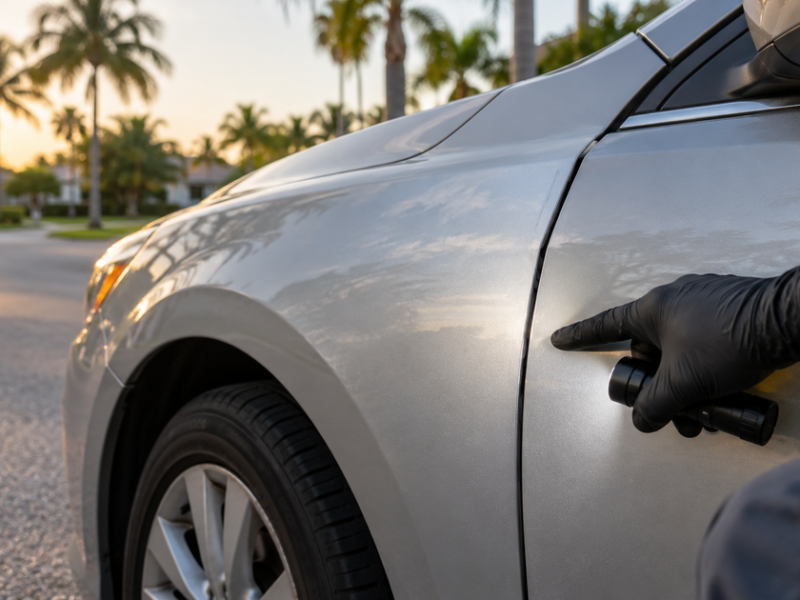
- Structural and panel check. Every panel gets checked individually, pillars, sills, frame rails, strut towers, to confirm whether each one is original, repaired, or replaced. This is where hidden accident history shows up even when nothing was ever filed with insurance, and it’s usually the single most revealing part of the whole process.
- Paint and bodywork history. Paint thickness and consistency across panels reveal whether a section was repainted, and whether that repaint was a cosmetic touch-up or covering something more serious underneath.
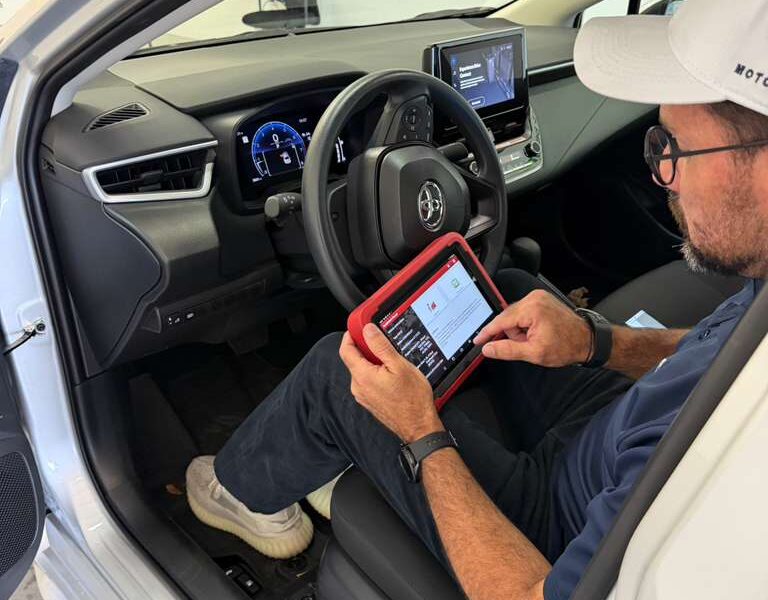
- OBD2 diagnostic scan. The inspector connects directly to the car’s onboard computer to pull stored fault codes, including ones that were cleared right before the sale and might come back the moment the car is driven a certain way.
- Electrical systems and accessories. Power windows, locks, mirrors, air conditioning, and the airbag system all get tested for function, not just checked visually from the driver’s seat.
- VIN and identification consistency. The VIN, engine number, and body identification tags get checked against each other to confirm the car hasn’t had parts swapped in from a different vehicle.
- Tires and glass. Wear patterns and condition get documented as part of the full picture, since uneven wear can point to issues that never made it into any report.
- Documentation check. Mandatory equipment and paperwork get confirmed as actually present in the car, not just assumed to be there.
- Carfax history report. This gets pulled and included as part of the same inspection, so the documented history and the physical findings get reviewed together, not as two separate steps you have to coordinate yourself.
What You Walk Away With
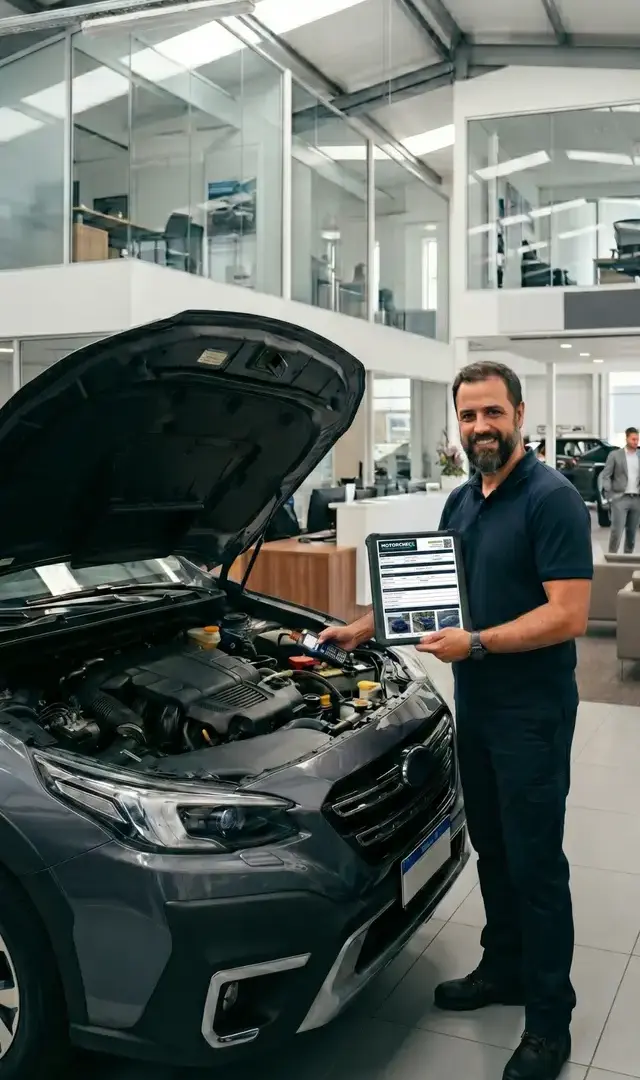
At the end, you get a complete report covering every point above, plus the Carfax history, in one document. Cars that pass get the INSPECTED seal, a clear signal to any future buyer, or to you, if you’re the one selling later, that the vehicle has actually been through this process. It’s the difference between taking a seller’s word for it and having something you can actually verify.
Mechanic vs. Pre-Purchase Inspection, Side by Side
Both services matter. They’re just not the same service, and knowing which one you need for which question saves you from paying for the wrong thing.
| What you want to know | Mechanic’s Inspection | Pre-Purchase Inspection |
|---|---|---|
| Does the engine run well? | Yes, this is their focus | Not covered |
| Was the car in an undisclosed accident? | Not typically checked | Yes, structural check by panel |
| Does the VIN match across the whole car? | Not typically checked | Yes, identification consistency check |
| Are there hidden electronic fault codes? | Sometimes, if diagnosing a symptom | Yes, full OBD2 scan regardless of symptoms |
| Does the history report match the car? | Not included | Yes, Carfax included |
Frequently Asked Questions
Is a pre-purchase inspection the same as a mechanic checking the car?
No. A mechanic evaluates how the car runs. A pre-purchase inspection evaluates the car’s structure, electrical systems, identification, and documented history. They cover different things, and neither one replaces the other.
How much does a pre-purchase inspection cost in Florida?
Pricing depends on the provider and what’s included. A MotorCheck inspection includes the Carfax report, the full structural and electrical check, and the OBD2 diagnostic scan in a single price, so there’s nothing to add on separately afterward.
Can I get a used car vehicle inspection at any auto shop in Orlando?
Most auto shops offer mechanical inspections, checking engine and drivetrain performance. A structural, electrical, and documentation-based pre-purchase inspection is a more specialized service, which is what MotorCheck focuses on specifically.
How long does the inspection take?
Usually under an hour, and it can be scheduled before you commit to the purchase, so it never holds up a deal you’re ready to move on.
Do I need this if the dealer already gave me a Carfax report?
Yes. A Carfax report only covers documented history. It won’t tell you whether a panel was quietly repaired, whether the frame is intact, or what’s stored in the car’s onboard diagnostics. A MotorCheck inspection includes the Carfax report and adds everything a paper history can’t show.
What happens if the car doesn’t pass inspection?
You walk away with a clear, documented reason why, which is exactly the leverage you need to negotiate the price down or move on to a different car with confidence.
The Bottom Line
A pre-purchase car inspection isn’t a mechanic checking if the engine sounds right. It’s a specialized review of what the car actually is: its structure, its electrical systems, its identity, and its documented history, all confirmed before you sign anything.
Ready to know exactly what you’re buying? Book your MotorCheck inspection before you sign anything.